The Application of Stainless Steel in Construction Engineering
The early application of stainless steel in the construction industry began in the 1930s. For instance, the Savoy Hotel in London, completed in 1929, used stainless steel for its ceilings and wall decorations. Even after 70 years of exposure to the sea and environmental pollution, it still maintained a bright appearance. The Chrysler Building in the United States, completed in 1930, extensively used stainless steel for its roof and surface decorations. To this day, it has only been cleaned twice and stands out among the skyscrapers of New York, shining brightly. With economic growth and the improvement of people’s living standards, the excellent comprehensive performance of stainless steel, as well as its durability, beauty, long service life, and cost-effectiveness, have been widely recognized. Its application has expanded from luxurious hotels, commercial buildings, sports venues, churches, municipal facilities, and bridges and tunnels to residential buildings. From decoration, roofs, reinforced concrete, urban water supply projects to sinks and bathtubs in residential buildings, the application of stainless steel is becoming increasingly widespread.
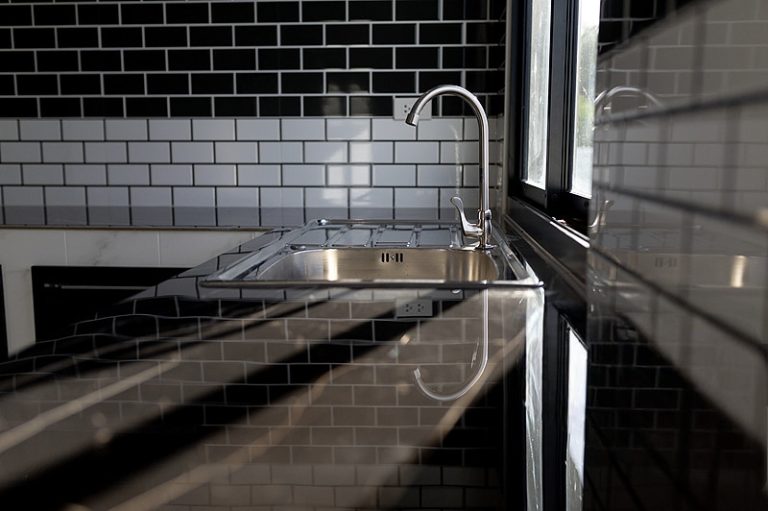
(1) Application in decoration projects. Besides walls and columns, stainless steel is increasingly used in automatic sliding doors, roller shutters, staircase railings, balcony railings, rainwater downspouts, flagpoles, street lamp poles, and arcade frameworks. In residential buildings, it is also used in kitchen and bathroom countertops, sinks, and brackets. The most commonly used grades of stainless steel in decoration projects are 304 and 316.
(2) Application in roofing. Early buildings that used stainless steel for roofing include the Savoy Hotel in London, the Eurostar Station, the Chrysler Building and the Empire State Building in New York. In the 1990s, the Petronas Twin Towers in Kuala Lumpur, the Jin Mao Tower in Shanghai, and the Hong Kong Convention and Exhibition Centre also adopted stainless steel for their roofs. In 2002, the Sapporo Dome Stadium in Japan, built for the World Cup, also used stainless steel for its roof.
(3) Application in reinforced concrete. Stainless steel bars are selected in reinforced concrete structures to enhance strength and resist corrosion in harsh marine environments and from chlorides formed in concrete. Corrosion-resistant stainless steel concrete is used in many marine structures such as bridge decks (for example, the Coos Bay Bridge in the United States meets strength, corrosion resistance, and seismic requirements, with a maintenance-free service life of up to 120 years), bridge piers, docks, pile foundations, breakwaters, mooring systems, mooring equipment, gangways, and railings. It can also be used in the foundation structures of important process equipment in the chemical industry and other industries with high corrosion resistance requirements. In urban infrastructure, such as overpasses in New Jersey, USA, stainless steel reinforced concrete structures are also adopted. Compared with ordinary carbon steel bars, stainless steel bars have a higher initial cost, but considering their excellent comprehensive performance and service life, they are still cost-effective.
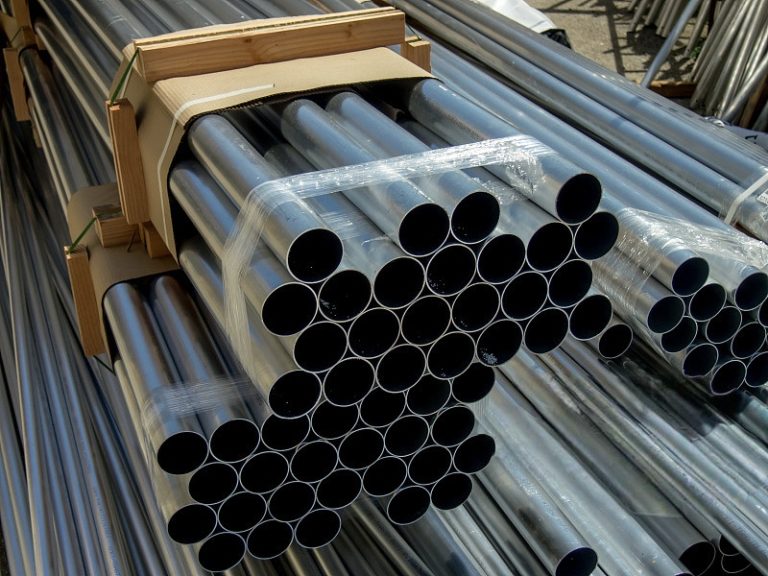
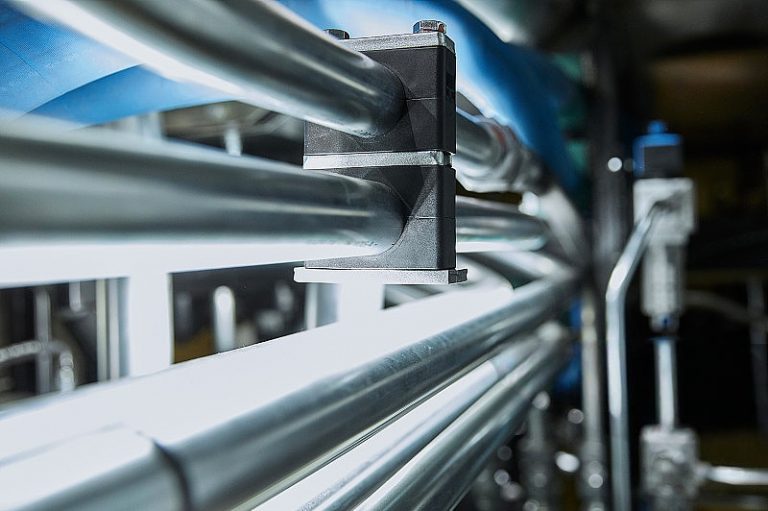
(4) Application in water supply projects. With rapid economic development and the improvement of people’s living standards, a large number of residential buildings, public buildings, and tourism facilities have been constructed, raising new requirements for domestic water and hot water supply. Water quality issues have received increasing attention. Galvanized steel pipes, commonly used in water supply projects, are prone to corrosion, leading to the “red water” and “green water” phenomena, making it difficult to improve water quality. Moreover, due to frequent leaks and short service life, experts predict that they will gradually be phased out. Plastic pipes, composite pipes, and copper pipes are not as superior as stainless steel in terms of safety, reliability, hygiene, environmental protection, economy, and durability. Engineering practices at home and abroad have proven that stainless steel is the most suitable pipe material for water supply systems in terms of comprehensive performance, ensuring water quality, energy conservation, and environmental protection. Thin-walled stainless steel, with its high strength, good toughness, non-brittle at low temperatures, small thermal expansion coefficient, no leakage, long service life, hygiene, non-toxicity, no pollution, high cost-effectiveness, and 100% recyclability, is increasingly being used in building water supply projects. Japan has been promoting the use of stainless steel water pipes both inside and outside buildings for 25 years. After the full stainless steelization of water supply pipes in Tokyo, the water quality has been kept clean and hygienic, the maintenance rate and leakage have been greatly reduced, water resources have been saved, and they remained intact after the Hanshin earthquake. Singapore has legislated that stainless steel pipelines must be used for urban water supply. The United States, the United Kingdom, and France all have standards for stainless steel pipes. The application of stainless steel in water supply and water treatment projects in developed countries around the world is becoming increasingly common. In addition, stainless steel structures are also increasingly used in bridge construction, overpasses, canopies, and signboards in municipal construction projects.